In a significant move for mainstream crypto adoption, PayPal is expanding its digital asset ecosystem by integrating two more major cryptocurrencies: Solana (SOL) and Chainlink (LINK). This marks another milestone in PayPal’s gradual evolution from a traditional payments provider to a prominent player in the digital currency landscape.
Soon, users of both PayPal and its subsidiary app Venmo will be able to buy, sell, hold, and transfer Solana and Chainlink directly within their accounts. These capabilities add to an already growing list of supported assets, which includes Bitcoin and Ethereum — two staples of PayPal’s crypto offering since 2020.
Bridging Convenience With Crypto Adoption
For PayPal, this move is a clear response to consumer demand. According to May Zabaneh, the company’s Vice President of Product for blockchain and crypto, user feedback has played a crucial role in shaping their approach. By broadening token availability, PayPal is aiming to create a more flexible and accessible crypto environment for everyday users.
The announcement is especially notable because both Solana and Chainlink rank among the top 15 cryptocurrencies by market capitalization. Their addition brings more depth to PayPal’s digital asset portfolio, positioning the platform not just as a gateway for Bitcoin or Ethereum enthusiasts, but as a broader crypto hub.
In recent years, PayPal has slowly — but deliberately — scaled its crypto presence. This includes launching its own dollar-pegged stablecoin (PYUSD), enabling crypto transfers using Ethereum Name Service (ENS) addresses, and forming a partnership with MoonPay to enhance purchase options across multiple channels.
What It Means for Users
The integration of Solana and Chainlink will be rolled out gradually over the coming weeks, with users gaining in-app access to these assets for the same functions already available for Bitcoin and Ethereum. This means users will be able to:
-Purchase SOL and LINK with their PayPal or Venmo balance, bank account, or debit card
-Store and manage these assets securely within their digital wallet
-Send tokens to other users, including using Ethereum Name Service support for easier transactions
-Potentially use these assets in future merchant integrations as PayPal scales PYUSD usage
With this update, PayPal moves one step closer to offering a full-suite crypto experience, enabling casual users to explore digital assets without needing to interact with external wallets or exchanges.
A Strategic Pivot for PayPal
While the technical update may seem incremental, the broader message is clear: PayPal is betting on crypto not as a side feature, but as a foundational pillar of its business strategy. Since launching its stablecoin in 2023, the company has signaled a deeper alignment with blockchain infrastructure — first on Ethereum, and now on Solana.
Solana’s speed and low-cost structure have made it an attractive alternative for developers and financial applications. Chainlink, on the other hand, plays a crucial role in enabling smart contracts and decentralized finance infrastructure by providing reliable data oracles.
By incorporating both, PayPal is building bridges between legacy payment systems and next-generation blockchain tools.
Institutional and Merchant Focus
In 2024, PayPal began allowing business account holders to directly interact with crypto assets, recognizing the growing trend of corporate interest in digital currencies. This shift aligns with the company’s long-term goal: reaching 20 million merchants using its PYUSD stablecoin by the end of 2025.
Expanding access to more assets supports this vision. As businesses and institutions explore stablecoins, smart contracts, and decentralized finance, the inclusion of assets like Chainlink and Solana enables PayPal to remain competitive in a space increasingly influenced by Web3 innovation.
Crypto Performance and Market Sentiment
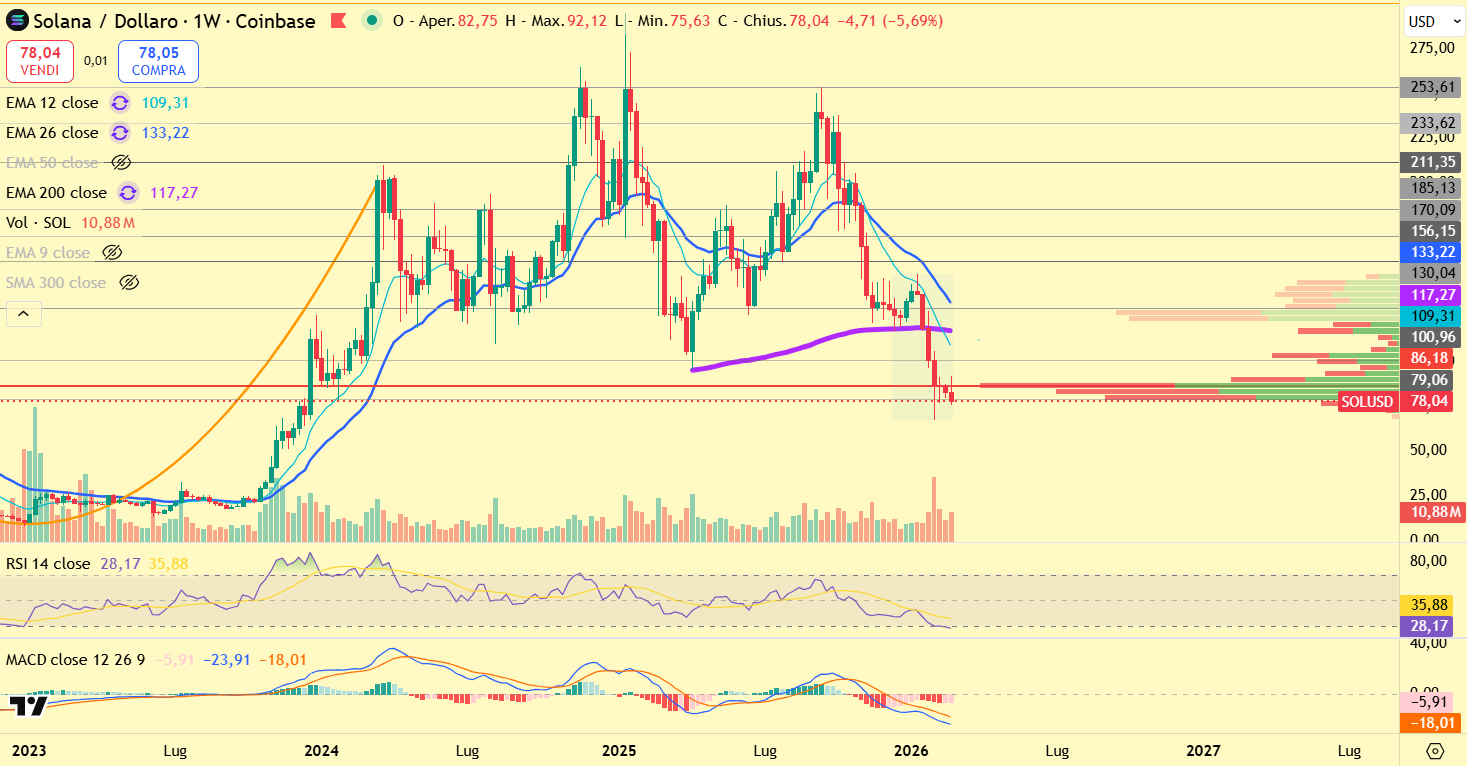
At the time of the announcement, Solana and Chainlink had both recorded modest daily gains, rising 5.2% and 1.4% respectively. While PayPal’s own stock has taken a hit — dropping roughly 32% year-to-date — its crypto expansion strategy suggests a focus on long-term transformation rather than short-term market swings.
The continued rollout of crypto features could also act as a hedge for the company as it navigates a shifting payments landscape. With competitors entering the stablecoin and digital wallet space, PayPal is using blockchain to fortify its user base and diversify revenue streams.
A Gateway to the Future of Finance
PayPal’s integration of Solana and Chainlink is more than a product update — it’s a sign of how far digital assets have come in becoming part of the global payments fabric. By merging user-friendly design with access to powerful blockchain networks, PayPal is positioning itself at the intersection of fintech and crypto.
For many users, this may be the first time they interact with assets like SOL and LINK. But for the industry, it’s a step toward mass adoption — one that blurs the lines between traditional finance and decentralized technology.
As the rollout continues, it remains to be seen how deeply PayPal will integrate these assets into its future offerings. But one thing is clear: crypto is no longer a fringe experiment. It’s becoming a core feature of financial infrastructure, and PayPal is committed to leading that transition.