Europe’s New Energy-Inflation Regime: Faster Gas, Weaker Power Pass-Through
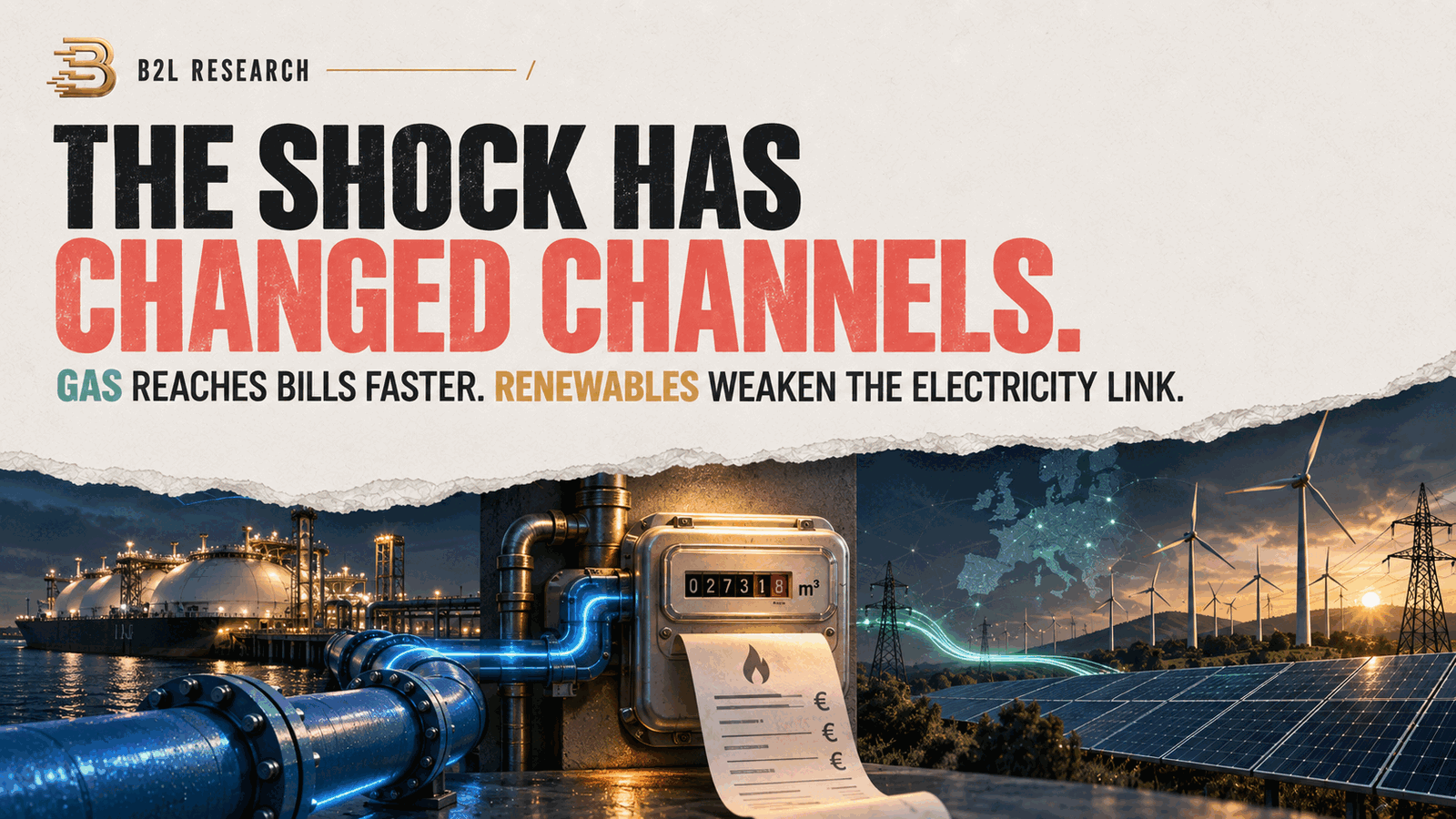
Europe’s gas shock now reaches bills faster while renewables weaken electricity pass-through. This Research maps inflation, policy and market risk.

Block2Learn

Block2Learn
Europe’s gas shock now reaches bills faster while renewables weaken electricity pass-through. This Research maps inflation, policy and market risk.
Riyadh attacks are shifting Gulf geopolitical risk beyond crude oil and into banks, aviation, property and local capital markets. The result may be a higher regional discount rate even when expensive oil supports producer revenue.
China’s AI boom is strengthening industrial supply faster than household demand, widening the fault line across Chinese equities, the yuan, commodities, global inflation and trade policy.
Britain’s QT redesign keeps balance-sheet normalisation intact while shifting gilt execution toward debt management, changing duration supply, term premium and fiscal risk.
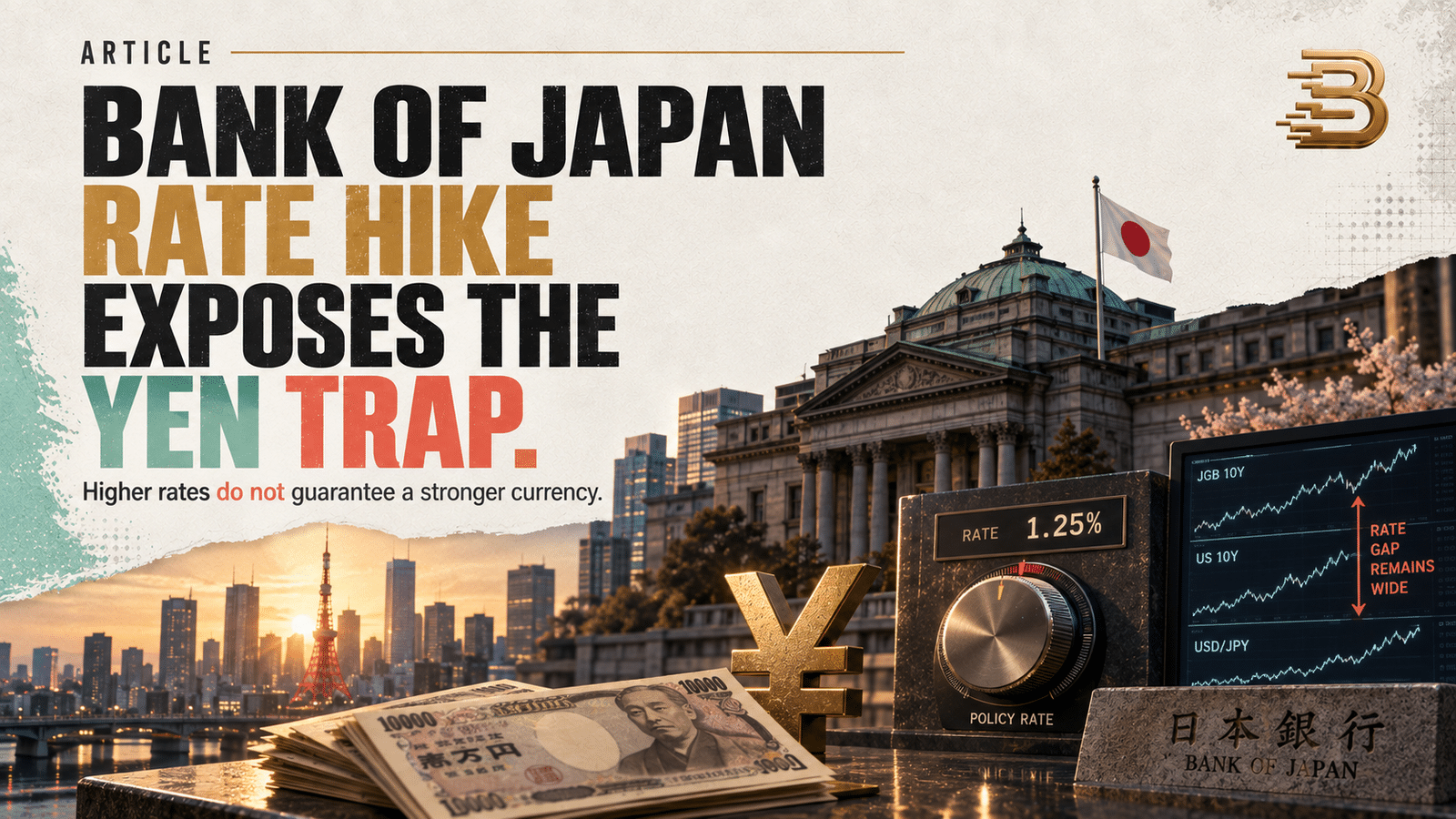
Japan raised its policy rate to 1.25%, yet the yen weakened. The contradiction reveals how yield gaps, credibility and carry trades still dominate.
Nonfuel import prices are rising across semiconductors, machinery and consumer goods. The real investment test is which companies can protect margins.
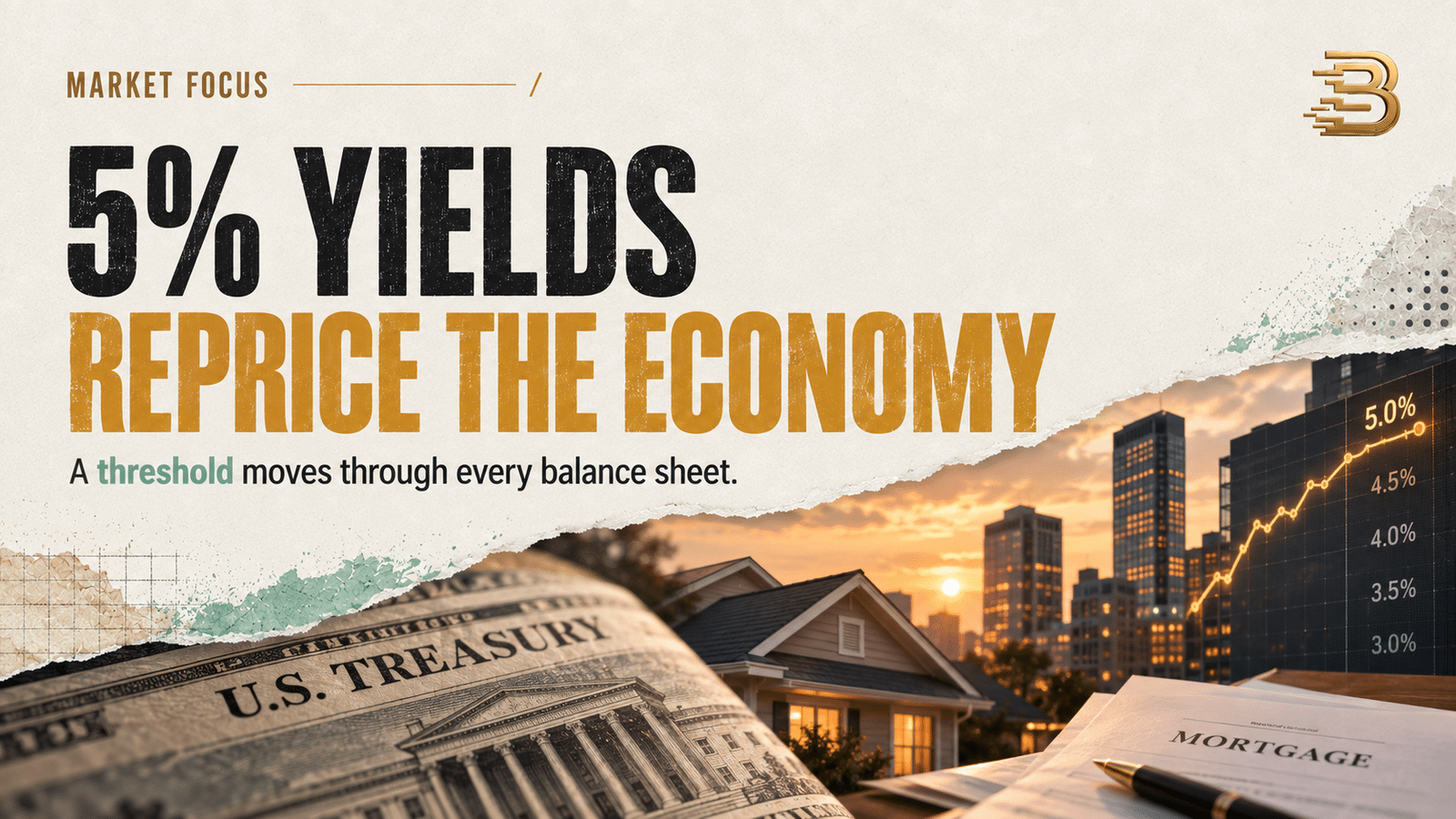
Near 5% Treasury yields reset the reference point for mortgages, corporate hurdle rates, valuations and fiscal financing before the Fed decides.
Europe’s latest producer-price surge was led by energy while retail and services softened. The key question is whether firms can absorb the shock—or pass it into inflation, credit and the euro.
Central clearing, dealer balance sheets and 24-hour collateral demand are reshaping the Treasury repo market’s role in U.S. liquidity.
Stablecoin growth can deepen demand for Treasury bills while transforming bank deposits into concentrated institutional funding. The opportunity is real—and so is the run risk.