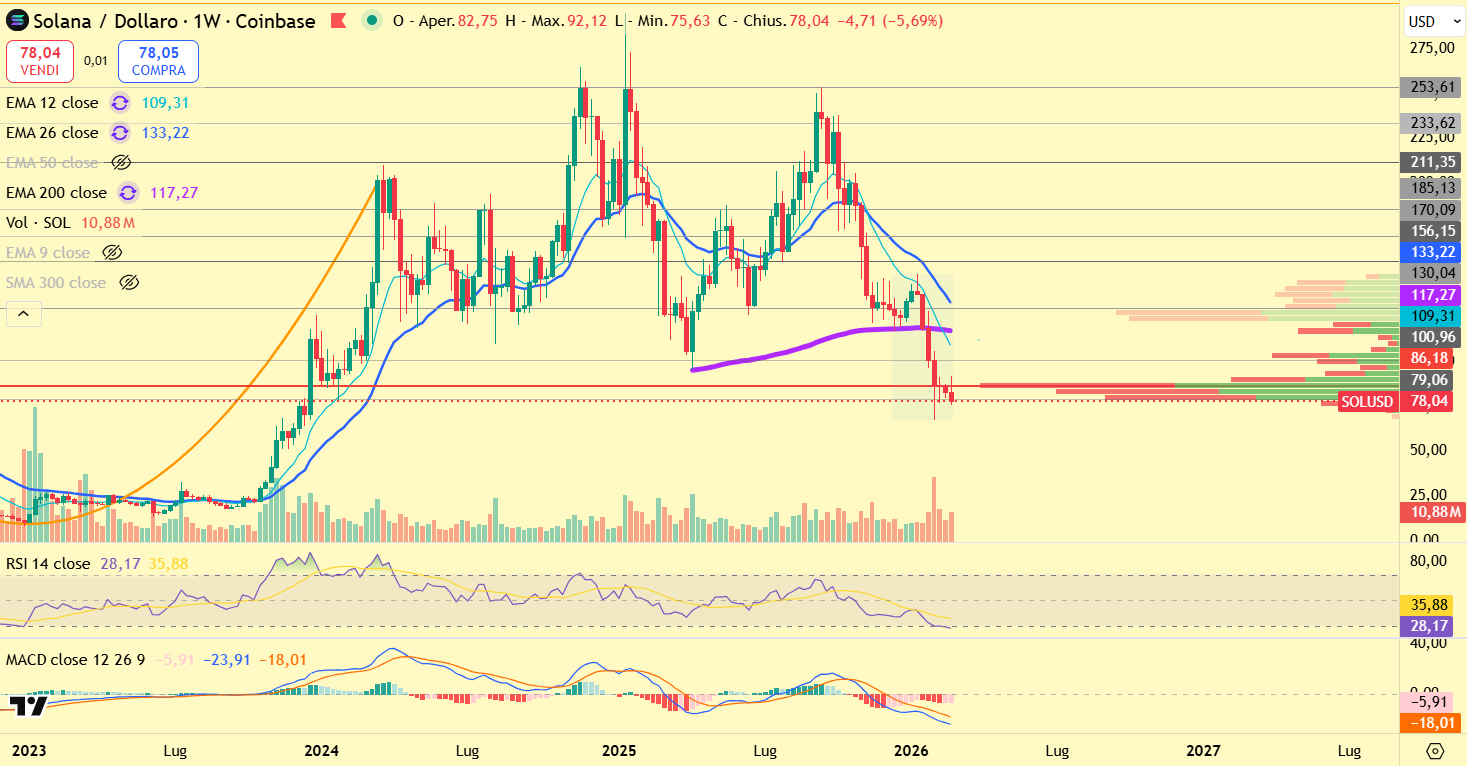


The U.S. government shutdown has arrived at a pivotal moment for the crypto industry, freezing the progress of several long-awaited ETF applications. While shutdowns have historically had minimal impact on traditional markets, the situation is markedly different for digital assets. The Securities and Exchange Commission (SEC), now operating with limited staff, cannot efficiently review ETF filings, leaving projects such as the XRP ETF and Solana ETF in limbo.
This delay comes during what many traders dubbed “ETF-tober,” a month when markets expected a wave of new ETF approvals that could have unlocked billions in institutional inflows. Instead, Washington’s political gridlock risks slowing momentum and reinforcing volatility across the crypto market.
How the Shutdown Differs for Crypto
Past shutdowns have not stopped Wall Street’s advance. In 2013, the S&P 500 gained 3% during the government closure. In 2018–2019, equities rallied more than 10%. Traditional markets tend to look past these political disruptions.
Cryptocurrencies, however, respond differently. Digital assets are highly sensitive to uncertainty, often experiencing increased volatility when political or regulatory clarity is absent. Bitcoin and altcoins are among the most liquid risk assets, and traders tend to react quickly to potential delays in institutional adoption.
This explains why XRP and Solana—two of the most discussed assets awaiting ETF approvals—are seeing heightened speculation as the SEC’s timetable stalls.
Why XRP ETF Matters
An XRP ETF would represent a landmark development for both Ripple and the wider crypto market. Ripple has long fought legal and regulatory battles to secure legitimacy in the U.S., and an ETF would provide institutional investors with structured exposure to the token.
With liquidity deepening on global exchanges and regulatory frameworks evolving, XRP seemed poised for its next stage of adoption. Analysts believed October 2025 could mark the month when approvals became reality. But with the SEC unable to operate at full capacity, the timeline has been pushed back.
On Block2Learn: https://block2learn.com/crypto-regulations/ you can find deeper insights into how regulatory frameworks are shaping ETFs and token adoption.
Solana ETF: A Rising Contender
Alongside XRP, Solana is another key contender for an ETF product. As one of the fastest-growing ecosystems in blockchain, Solana combines high throughput, low fees, and a rapidly expanding developer community. A Solana ETF would not only validate SOL’s role as a major institutional asset but also diversify investor exposure beyond Bitcoin and Ethereum.
The SEC had recently laid the groundwork for new listing standards, and Solana ETF issuers were among those encouraged to withdraw and resubmit filings. This was widely interpreted as a positive step forward. Yet with the shutdown, progress has stalled.
According to CoinMarketCap: https://coinmarketcap.com, Solana currently ranks within the top 10 cryptocurrencies by market capitalization, and its rising role in decentralized finance and tokenized assets makes it a strong candidate for ETF integration once political uncertainty clears.
Billions in Inflows Put on Hold
The SEC’s stall affects more than XRP and Solana. Cardano (ADA), Dogecoin (DOGE), and Litecoin (LTC) ETFs were also in motion. Collectively, these products could have driven billions of dollars in new institutional inflows. By connecting Wall Street directly to altcoin exposure, ETFs represent a gateway for mainstream adoption.
The infrastructure is already in place: exchanges are prepared, liquidity providers are ready, and investors have been anticipating “ETF-tober” for months. Yet with Congress at a stalemate, Washington remains the biggest obstacle.
Short-Term Market Effects
Despite the political roadblock, markets have not collapsed. Bitcoin continues to trade above $114,000, while Ethereum holds steady at around $4,150. Altcoins including XRP and Solana have seen slight volatility but remain supported by their strong fundamentals and community adoption.
Still, the absence of ETF inflows could cap near-term upside. Traders may adopt a cautious stance until the government reopens and the SEC resumes normal operations. This caution may reduce momentum, particularly for altcoins awaiting validation through ETF approval.
The Long-Term Outlook
Even though delays are frustrating, they do not erase the long-term case for ETFs. If anything, the fact that the SEC was prepared to move forward with multiple applications highlights how far the industry has come.
For XRP, an ETF would cement its place in U.S. financial markets and provide new utility beyond cross-border settlements. For Solana, it would accelerate its rise as a competitor to Ethereum, opening institutional doors to one of the most scalable blockchains in existence.
In the bigger picture, the shutdown is a temporary pause. Once resolved, ETF approvals are likely to resume, possibly triggering a flood of inflows that had been waiting on the sidelines. Investors who remain patient could benefit from renewed momentum when clarity returns.
Conclusion
The U.S. government shutdown has put the crypto industry on hold at precisely the wrong time. With ETF approvals for XRP, Solana, and other altcoins delayed, “ETF-tober” risks losing momentum. But while Washington gridlock slows the timeline, the broader trajectory for crypto ETFs remains intact.
Both XRP and Solana stand out as strong candidates for institutional adoption, and once the shutdown ends, approvals are expected to move forward. For investors, this pause may represent an opportunity to prepare for the long-term transformation of altcoins into institutional-grade assets.
In the meantime, the lesson is clear: while crypto markets thrive on innovation and global demand, regulatory bottlenecks in Washington still hold the power to dictate the pace of adoption.