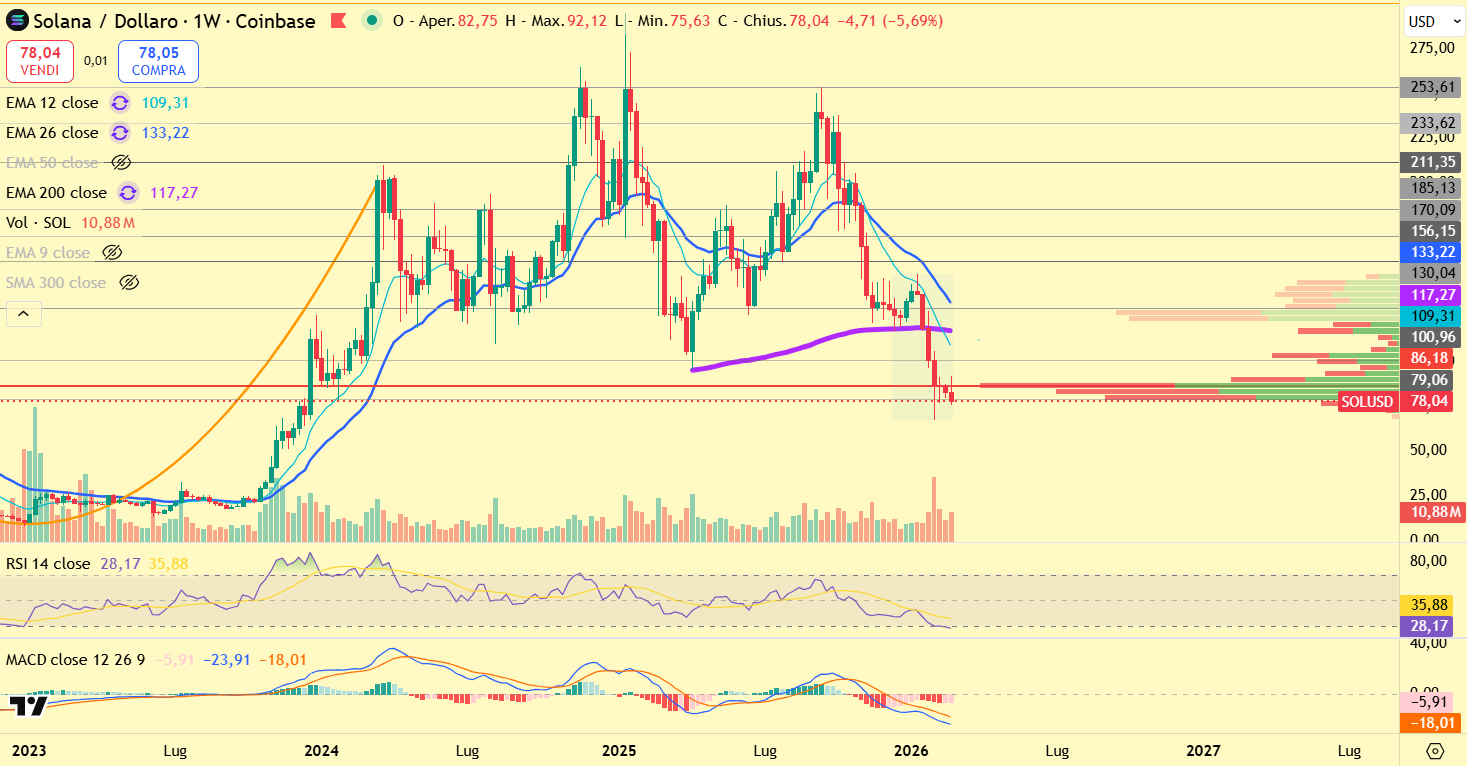
In every technological revolution, there comes a moment when enthusiasm turns into a question: “Is this real growth or the start of a bubble?” The rapid rise of artificial intelligence (AI) has sparked that very doubt. Investors, analysts, and innovators alike are trying to understand whether this extraordinary boom marks the beginning of a new era of exponential progress or if we are standing at the edge of an inevitable correction.
Artificial intelligence has become the defining theme of global markets. From startups to corporate giants, every sector is integrating AI systems to increase productivity and reduce costs. Yet, as valuations soar and capital floods into AI infrastructure, the question persists — how much of this growth is sustainable?
The Anatomy of the AI Boom
Unlike the dot-com bubble of the late 1990s, the AI boom is not driven by speculation alone. The technology is already embedded in countless industries — from finance and healthcare to manufacturing and energy. According to data from PwC (https://www.pwc.com), AI could contribute more than $15 trillion to global GDP by 2030, with the most significant gains in automation, data analytics, and supply chain optimization.
However, such explosive potential often carries the seeds of overvaluation. Many investors are buying AI-related stocks without distinguishing between firms developing core technologies and those merely adopting buzzwords. That imbalance can create a distorted perception of the market’s true health.
History teaches that when narratives drive valuations faster than fundamentals, corrections follow. The challenge, therefore, lies in identifying which parts of the AI boom represent real innovation and which are speculative echoes of previous manias.
AI’s Real Value: Productivity and Decision-Making
One major reason AI stands apart from past tech bubbles is its measurable impact on productivity. Machine learning models now perform analytical tasks that once required entire teams of human analysts. In finance, AI systems can process thousands of data points per second, uncovering patterns that reveal market inefficiencies.
Platforms like Block2Learn (https://block2learn.com) showcase how this intelligence can be used beyond trading. Investors now rely on AI tools to evaluate risk, forecast trends, and adjust portfolio strategies dynamically. The new generation of investment models no longer seeks to “beat the market” on emotion but to optimize exposure through data-driven logic.
In this sense, AI is becoming a financial co-pilot — not replacing human intuition but enhancing it with predictive clarity. This evolution is transforming how investors approach decision-making, making the boundary between human insight and machine precision thinner every day.
Is There a Hidden Bubble Forming?
Despite tangible benefits, many economists warn that the AI boom carries the classic features of a speculative cycle: euphoria, concentration of capital, and inflated expectations. Companies like Nvidia, Microsoft, and OpenAI dominate the narrative, capturing both the market’s imagination and its liquidity.
However, the vast amount of capital flowing into data centers, chips, and cloud infrastructure could outpace short-term profitability. The same thing happened in the telecom sector two decades ago, where massive investments preceded years of underperformance.
If global demand slows or expected returns fail to materialize, valuations may come under pressure. Yet, this would not necessarily mean the end of AI’s long-term trajectory — it would simply mark a natural phase of market correction before the next wave of innovation.
Two Diverging Scenarios
To understand where AI could go next, we must consider two opposite but equally plausible scenarios.
Scenario 1 – The Overextension Phase:
Major technology firms continue to invest hundreds of billions of dollars in AI infrastructure, from semiconductor production to cloud networks. But short-term revenue lags behind expectations. Investors, fatigued by delays in ROI, begin to withdraw capital, sparking a correction reminiscent of 2001.
Scenario 2 – The Acceleration Phase:
AI begins to deliver at scale. Automation reshapes global employment, reducing operational costs and boosting corporate margins. Tech companies that integrate AI most effectively capture massive efficiency gains, sending their valuations soaring even higher.
In both scenarios, AI will remain the backbone of innovation — the difference lies in timing, resilience, and regulation.
Navigating the Hype: Lessons for Investors
Whether this is a boom or bubble, investors must learn to operate in a world where data dictates direction. Emotional trading and fear-of-missing-out have historically been the downfall of market participants during times of disruption.
Instead, investors should focus on diversification, long-term fundamentals, and measurable value creation. AI can assist in that effort — machine-learning models can identify under-the-radar opportunities, detect emerging risks, and adjust portfolios dynamically as market conditions evolve.
For instance, platforms like CoinMarketCap (https://coinmarketcap.com) and CoinGlass (https://www.coinglass.com) use AI analytics to track liquidity patterns, volatility clusters, and investor sentiment across crypto and traditional assets. Such real-time data empowers traders to act on evidence, not speculation.
As outlined in https://block2learn.com/category/artificial-intelligence/, artificial intelligence is reshaping the mechanics of markets and investment decision-making in ways that will continue for decades.
Beyond the Numbers: The Psychological Factor
While AI is transforming financial systems, human psychology remains the market’s most unpredictable variable. Every bubble, from tulips to tech stocks, has been inflated not just by money, but by emotion — greed, excitement, and collective belief.
The AI boom thrives on similar sentiments. The fear of missing the “next big thing” drives capital faster than rational analysis. But unlike past bubbles, this one is being built on genuine innovation — a structural shift comparable to the birth of the internet itself.
Still, bubbles don’t always burst catastrophically. Some deflate gradually, allowing value to consolidate while weaker players vanish. That process might already be underway, as smaller startups struggle to compete with the capital dominance of tech giants.
The Road Ahead: Sustainable Innovation
The coming years will likely define whether AI becomes the new foundation of the global economy or a historical case study in speculative excess. Governments are now stepping in to regulate the sector, focusing on transparency, data privacy, and ethical standards.
These measures could slow growth temporarily but will ultimately ensure long-term trust and stability — essential elements for institutional adoption. As seen with blockchain and cryptocurrencies, regulation is often the final step before mainstream integration.
Artificial intelligence will continue to evolve. Whether we call it a boom or a bubble, its long-term influence is undeniable. For investors, the key is not predicting the next crash, but preparing for the future it will create.