The Federal Reserve is preparing for one of the most anticipated decisions of the year. Economists are almost unanimous in forecasting a 25-basis-point rate cut at the October 28–29 meeting, a move that could reshape the U.S. economy and trigger ripple effects across global markets — especially crypto.
According to a Reuters survey, 115 out of 117 economists now expect the Fed to lower rates to 3.75%–4.00%, marking the start of a potential easing cycle that could extend into early 2026. As inflation moderates and growth slows, policymakers are under mounting pressure to adjust policy, even as political and market expectations diverge.
A Fed Divided but Moving Toward Easing
The upcoming decision comes amid a climate of uncertainty. The recent U.S. government shutdown has delayed key employment and inflation data, leaving the central bank partially “blind” in its assessment of current economic conditions. Despite these blind spots, Chair Jerome Powell has indicated that the Fed remains focused on sustaining job growth while guiding inflation closer to its 2% target.
Inside the institution, however, opinions vary. Governor Christopher Waller supports a gradual approach, citing early signs of a weakening labor market. Meanwhile, Governor Stephen Miran has called for a more aggressive path, arguing that delaying cuts risks a sharper slowdown.
Adding to the tension, President Donald Trump continues to push for deeper and faster reductions, emphasizing that high rates could stifle the U.S. recovery. Powell’s challenge will be to balance the political pressure with economic prudence, maintaining the Fed’s credibility while responding to real-world data — or the lack of it.
Markets Price in a 98.9% Probability of a Cut
According to the CME FedWatch Tool, the probability of a 25-bps reduction is currently 98.9%, making the move almost certain. But for traders and analysts, the real focus is not on the rate cut itself, but on the tone of Powell’s FOMC statement.
If the Fed signals the start of a more extended easing cycle, risk assets could see a renewed surge. Conversely, if the central bank frames the decision as a one-time adjustment or emphasizes caution, markets could experience short-term volatility.
Major Wall Street institutions such as Goldman Sachs, Barclays, and Morgan Stanley are aligned on the expectation of two cuts — one this month and another in December — before the Fed pauses to evaluate the impact.
The Crypto Market Awaits Its Next Catalyst
For the cryptocurrency sector, this Fed meeting could become a defining moment. Lower interest rates generally weaken the dollar, boost liquidity, and increase appetite for risk — all favorable conditions for Bitcoin (BTC) and altcoins like Ethereum (ETH) and Solana (SOL).
In the last six months, the correlation between Fed policy shifts and crypto market performance has strengthened significantly. When liquidity expands, capital often flows into digital assets first, where upside potential is higher.
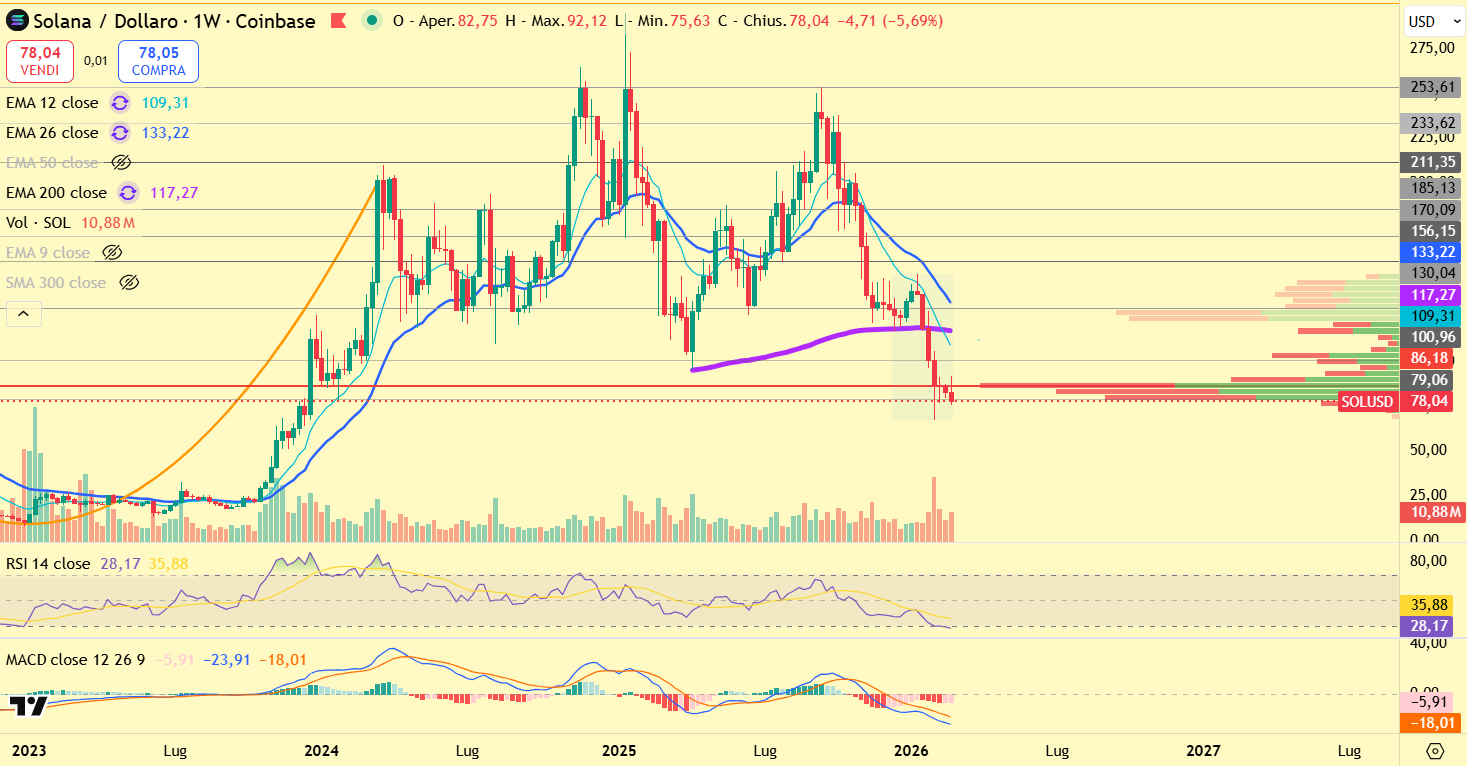
Currently, Bitcoin is consolidating above $108,000, while Solana continues to attract attention as one of the most actively traded altcoins. If Powell’s statement takes a dovish turn, traders expect an immediate rise in crypto valuations as liquidity-driven optimism returns.
Inflation Data Delay Complicates Decision-Making
One complicating factor is timing. The release of Consumer Price Index (CPI) data has been delayed until October 24, giving the Fed just a few days to process the figures before the meeting.
If inflation prints lower than expected, it would validate the case for continued easing and likely fuel a rally across risk assets, including crypto. A higher reading, however, could force the Fed to strike a more balanced tone, tempering market enthusiasm.
This uncertainty is precisely what keeps volatility elevated in both traditional and digital markets. Traders are now navigating a narrow corridor between optimism about easing and caution about potential surprises in macro data.
How a Fed Cut Could Impact the Broader Economy
A rate cut affects nearly every sector of the economy, from consumer finance to corporate borrowing. Homeowners could see slightly lower mortgage rates, businesses may gain cheaper access to credit, and stock buybacks might accelerate as financing costs fall.
For global markets, a weaker U.S. dollar could redirect capital into emerging economies, while bond yields may compress further. However, the flip side is potential margin pressure for banks and reduced income for fixed-income investors, which could dampen enthusiasm in certain traditional markets.
In the context of crypto, lower yields on traditional assets often make decentralized finance (DeFi) and staking products more appealing. Over the past quarter, several DeFi protocols have already reported higher inflows as Treasury yields declined. This trend could intensify if the Fed confirms a more accommodative path.
Fed Communication and Market Psychology
Beyond the rate decision itself, the language of the statement will likely dictate near-term market direction. Investors will parse every line for clues about whether the Fed views this as the beginning of a prolonged easing cycle or a temporary adjustment to address data uncertainty.
A single dovish remark — such as a reference to “greater flexibility” or “data-dependent easing” — could be enough to ignite momentum across risk assets. Conversely, any emphasis on inflation vigilance could send equities and crypto into a short-term retracement.
This dynamic underscores how sentiment in modern markets is shaped less by the move itself and more by how the Fed communicates it.
The Week Ahead: Macro Events to Watch
This week is shaping up to be one of the most pivotal of the quarter, with several key data releases and events that could influence both the Fed’s decision and market volatility:
- 10% of S&P 500 companies will release quarterly earnings reports.
- U.S. crude oil inventory data (Wednesday) may impact inflation expectations.
- Existing home sales and CPI inflation data (Thursday and Friday) will provide insight into consumer health.
- October services PMI and Michigan consumer sentiment data (Friday) will help gauge economic resilience ahead of the Fed’s meeting.
Each of these reports contributes to the broader macro narrative shaping expectations for interest rates, liquidity conditions, and asset flows into crypto.
Crypto Market Implications: A Liquidity Trigger Ahead
The next Federal Reserve decision could act as a major liquidity trigger for digital assets. A 25-bps cut would mark the second easing move of 2025, reinforcing a narrative of policy normalization after nearly two years of monetary tightening.
If this policy direction holds, Bitcoin could test new highs before the year-end, driven by inflows from both institutional and retail investors seeking hedges against currency debasement. Altcoins like Ethereum and Solana may also benefit from renewed enthusiasm for DeFi and tokenized yield strategies.
However, traders should remain aware that the Fed’s easing cycle could be uneven. Economic volatility and delayed data releases make short-term reactions unpredictable, even as long-term fundamentals turn more supportive for risk assets.
Conclusion: A Crossroads for Traditional and Digital Markets
The October 28–29 Fed meeting represents more than a decision on rates — it’s a reflection of how policy, data, and global risk sentiment intersect. For crypto markets, the outcome could define the tone of Q4 2025 and set the stage for early 2026.
A confirmed 25-bps cut, followed by dovish commentary, could unleash a new wave of capital rotation into digital assets. But a cautious or divided statement might keep volatility high, delaying the breakout many traders expect.
In either case, the message is clear: monetary policy and crypto performance are more interconnected than ever before. As liquidity returns, investors must navigate both opportunity and uncertainty with precision.