A new wave of capital rotation hit the digital asset investment landscape as the Bitcoin ETF outflow trend intensified this week marking one of the most notable shifts in crypto fund activity since the start of quarter four. According to aggregated market data Bitcoin spot ETFs recorded substantial net outflows while Ethereum and Solana ETFs registered significant inflows capturing liquidity and investor attention. The divergence reveals a growing appetite for diversification and signals evolving market confidence across multiple blockchain ecosystems.
The Bitcoin ETF outflow trend has raised questions about whether investors are taking short term profits reallocating exposure into high growth ecosystems or preparing for a possible rotation into multi chain assets ahead of key macro events. The dynamics carry implications for liquidity market structure and sentiment and provide deeper insight into how institutional investors are positioning themselves for the next phase of crypto market development.
A closer look at the latest ETF flows
On November twenty four Bitcoin spot ETFs collectively registered over one hundred fifty million in net outflows. This decline stands out because it arrived during a period of heightened volatility across macro assets. Analysts note that only one major product Fidelity’s FBTC recorded inflows suggesting that the Bitcoin ETF outflow trend was broadly consistent across issuers.
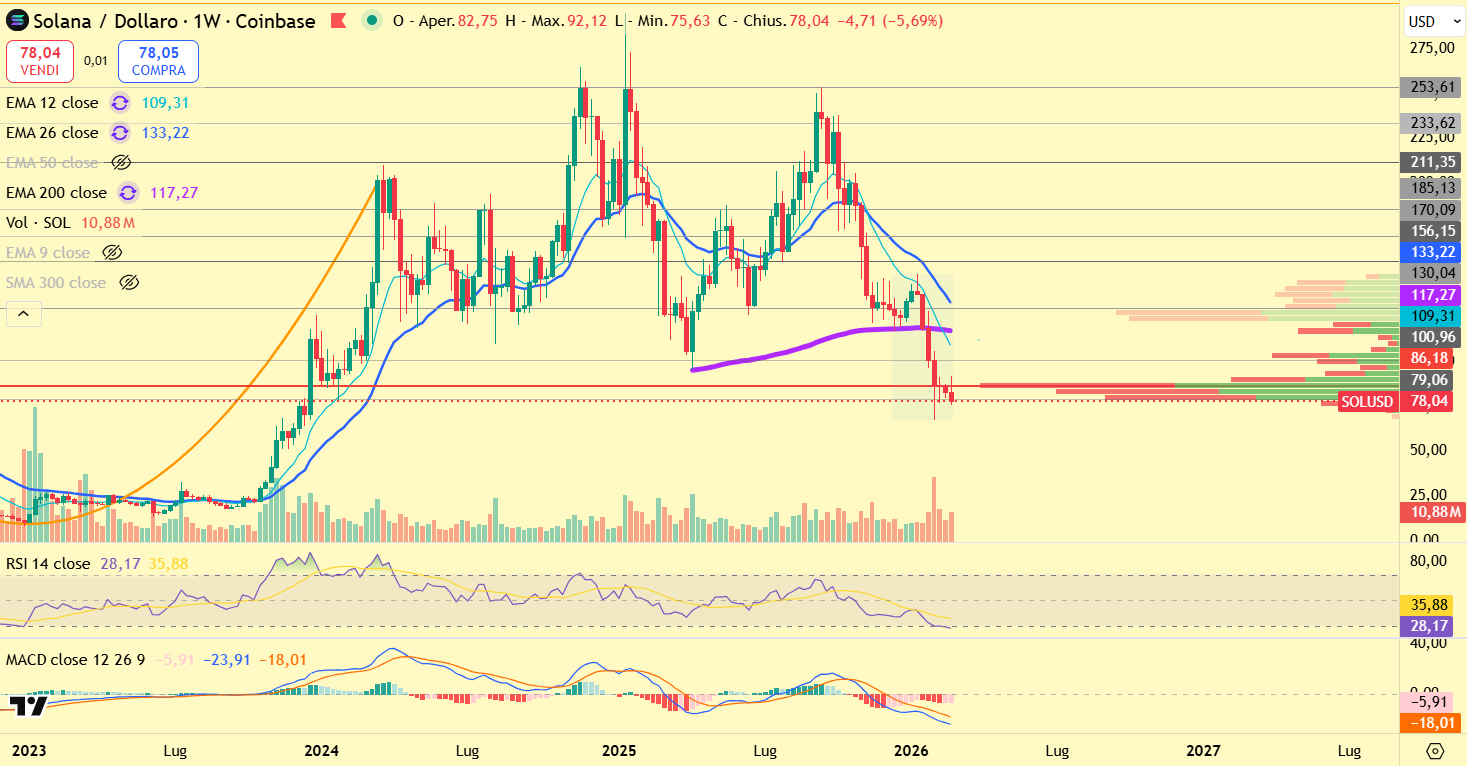
While short term outflows are not unusual especially after strong performance cycles the magnitude of this shift has sparked new discussions around risk sentiment and market positioning. By contrast Ethereum spot ETFs attracted nearly one hundred million in net inflows with BlackRock’s ETHA alone contributing over ninety two million. Solana spot ETFs posted nearly sixty million in inflows further underscoring the strength of alternative layer one narratives.
The Bitcoin ETF outflow trend highlights an increasingly selective institutional approach where investors rotate capital toward networks perceived as undervalued relative to their on chain activity adoption potential and scalability outlook.
Understanding the investor rotation
ETF flows serve as a real time reflection of institutional preferences. The Bitcoin ETF outflow trend suggests that investors are temporarily reducing exposure to the largest crypto asset after months of strong price movement and shifting focus toward alternative opportunities.
Ethereum remains the key beneficiary especially as institutional research continues to highlight its leadership in decentralized applications liquid staking systems and large scale infrastructure deployments. Solana has emerged as one of the fastest growing ecosystems by transaction throughput user acquisition and network performance making its ETFs an increasingly attractive option for investors seeking growth exposure.
This rotation reflects a broader pattern seen in the crypto market historically where capital moves from Bitcoin into major altcoins during periods when risk appetite improves. The Bitcoin ETF outflow trend may therefore represent not capital leaving the crypto market but capital repositioning within it.
Market context and macroeconomic backdrop
The Bitcoin ETF outflow trend also aligns with broader macroeconomic uncertainty. Investors are monitoring key economic signals from global institutions including the International Monetary Fund https www punto imf punto org as policymakers evaluate interest rate strategies and liquidity conditions. Any shift in monetary direction has direct consequences on risk assets including Bitcoin which reacts strongly to changes in real rates dollar strength and global risk sentiment.
If investors anticipate short term volatility or reduced liquidity conditions they may rebalance away from the largest and most widely held asset to seek opportunities with asymmetric upside potential. Ethereum’s development pipeline and Solana’s rising adoption metrics offer such asymmetry making the rotation both strategic and opportunistic.
Why Bitcoin outflows do not signal structural weakness
It is essential to contextualize the Bitcoin ETF outflow trend within the broader ecosystem. Bitcoin remains the dominant asset in institutional portfolios due to its monetary properties deep liquidity and long term track record. Outflows of one hundred fifty million represent a fraction of cumulative ETF holdings and do not reflect structural deterioration in demand.
Investor behavior suggests that rotation rather than abandonment is driving the trend. The Bitcoin ETF outflow trend is therefore not a sign of weakening conviction but an expression of tactical repositioning as the market explores new narratives.
Furthermore Bitcoin continues to benefit from macro drivers such as potential interest rate adjustments regulatory clarity and increasing adoption by major global institutions. For those following ongoing macro developments the Block2Learn Market Trends section https block2learn punto com categoria market trends offers expanded insights into how these forces interact with digital asset performance.
Ethereum and Solana strengthen their institutional appeal
As the Bitcoin ETF outflow trend develops Ethereum and Solana are capturing attention for fundamentally different reasons.
Ethereum remains the leading smart contract platform with a broad ecosystem and continuous upgrades aimed at enhancing scalability and sustainability. Institutional participation in Ethereum ETFs reinforces confidence in its long term roadmap including advancements in rollup technology and decentralized financial frameworks.
Solana on the other hand stands out for its technical performance and growing developer ecosystem. Recent improvements in network stability and throughput combined with strong community growth have positioned Solana as a competitive alternative for high velocity decentralized applications. The strong inflows reported this week reflect institutional recognition of these developments.
Collectively the inflows into Ethereum and Solana ETFs amount to over one hundred fifty million nearly mirroring the Bitcoin ETF outflow trend but in the opposite direction. This symmetry suggests a healthy redistribution of capital rather than a departure from the crypto asset class.
What this means for market dynamics
The Bitcoin ETF outflow trend hints at an evolving investment environment where multiple blockchains begin to assert themselves as viable long term assets. This evolution represents a maturing market where investors no longer view Bitcoin as the sole institutional entry point but instead consider a diversified range of digital assets.
Such diversification can strengthen market resilience by reducing dependence on the performance of a single asset. It also encourages innovation across ecosystems by spreading capital toward emerging technologies.
For Bitcoin the short term outflows may enhance long term stability by reducing concentration risk and promoting healthier market structure. For Ethereum and Solana the inflows may accelerate ecosystem development and encourage broader institutional engagement.
Key elements to watch in the coming weeks
As the Bitcoin ETF outflow trend continues to evolve investors should monitor several factors including:
-Liquidity levels across major ETFs
-Institutional rebalancing patterns
-Macro policy changes
-On chain activity metrics for Ethereum and Solana
-Portfolio positioning among large funds
No single factor determines long term performance but the combination of these signals provides a reliable framework for assessing ongoing market transitions.
A rotation that signals market maturity
The Bitcoin ETF outflow trend represents an important shift in market sentiment but not a sign of structural weakness. Investors appear to be reallocating capital within the crypto ecosystem seeking opportunities in Ethereum and Solana rather than exiting exposure entirely. This evolution supports the view of a maturing digital asset market where multiple networks can coexist attract capital and drive innovation.
As global liquidity conditions adjust and blockchain ecosystems continue to evolve the interplay between ETF flows and market sentiment will become increasingly important. For now the Bitcoin ETF outflow trend serves as a reminder that institutional investors are adopting a more diversified multi asset approach to cryptocurrency exposure.