


The latest wave of selling across crypto markets was not just another volatile session. It was a liquidity event. In the span of a single day, more than $2.6 billion in leveraged positions were forcibly closed, dragging Bitcoin and major altcoins sharply lower and exposing a fragile market structure that has been deteriorating for months.
This article analyzes the Bitcoin liquidity breakdown behind the crash, separating surface level price action from the deeper structural forces that triggered one of the most violent deleveraging phases since the last major cycle reset.
A market no longer driven by trend but by liquidation mechanics
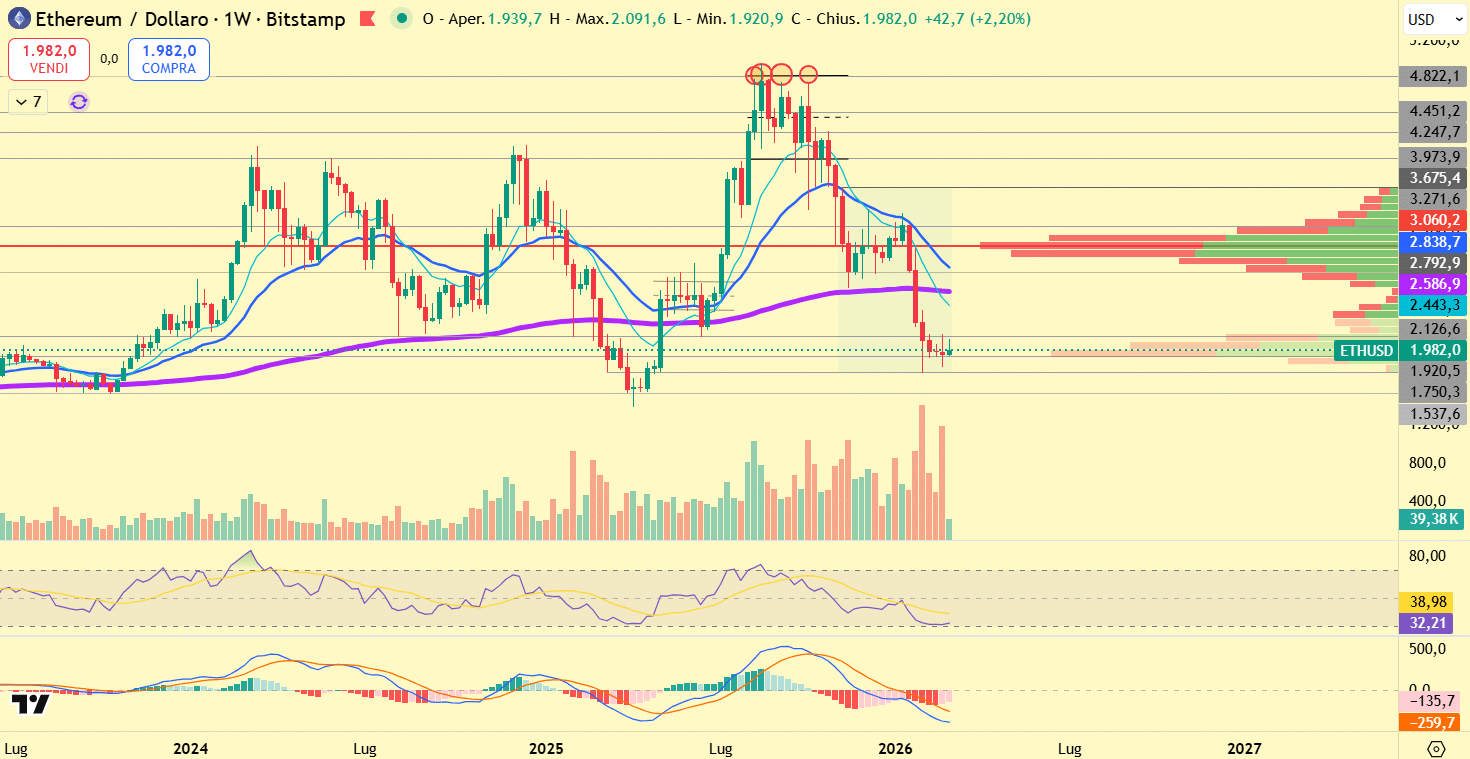
By early February 2026, the crypto market had already lost its upward momentum. Bitcoin was trading well below its prior peak, volatility had returned, and sentiment had weakened steadily. However, the magnitude of the latest crash cannot be explained by trend alone.
The defining feature of the move was speed. Bitcoin fell thousands of dollars within minutes at multiple points during the session, while altcoins suffered even sharper percentage losses. Such behavior is rarely driven by discretionary selling. It is characteristic of forced liquidation cascades.
In a healthy market, price discovery happens through buyers and sellers negotiating value. In a liquidation driven market, price discovery disappears. Orders are executed because positions must be closed, not because participants agree on price.
This is the core of the current Bitcoin liquidity breakdown.
Leverage as the hidden accelerant
Crypto markets remain structurally dependent on leverage. Perpetual futures, margin trading, and options amplify both upside and downside, but they also introduce reflexive risk.
When price falls below key thresholds, leveraged positions are automatically liquidated. Those liquidations create market sell orders, which push price lower, triggering further liquidations. The result is a self reinforcing feedback loop.
During the latest crash, nearly 600,000 traders were liquidated within twenty four hours. This scale alone confirms that leverage was not just present, but dominant.
The Bitcoin liquidity breakdown was therefore not the result of a single bearish narrative. It was the mechanical consequence of excessive leverage colliding with insufficient market depth.
Market depth and why it matters more than price
Market depth refers to the amount of capital available to absorb buy or sell orders without significantly moving price. When depth is high, large orders can be executed smoothly. When depth is low, even moderate orders can cause sharp moves.
One of the most important but underappreciated developments in recent months has been the steady decline in Bitcoin market depth. While headline liquidity appears strong, the actual order book capacity has thinned materially since late 2025.
This decline means that when liquidation waves hit, there is less passive demand to absorb forced selling. Price therefore moves faster and further than most participants expect.
The current Bitcoin liquidity breakdown reflects not just selling pressure, but the absence of sufficient structural buyers.
Structural damage began months before the crash
Although the recent wipeout was concentrated in a single session, the underlying damage began much earlier. Previous liquidation events had already weakened confidence, fragmented liquidity, and conditioned traders to expect instability.
Periods of sideways price action masked this deterioration. While Bitcoin appeared range bound for weeks, internal stress was building. Liquidity gaps appeared more frequently. Volatility spikes became more common. Recovery rallies failed to attract sustained follow through.
These were early warning signs of a market transitioning from trend driven behavior to liquidation driven behavior.
Once that transition is complete, markets become vulnerable to sudden and extreme repricing, exactly as observed in the recent crash.
Altcoins amplify stress rather than absorb it
During earlier crypto cycles, altcoins sometimes acted as volatility sinks, absorbing speculative excess and reducing pressure on Bitcoin. In the current regime, the opposite has occurred.
Altcoins have become leverage multipliers. Thin liquidity, aggressive derivatives exposure, and narrative driven positioning mean that when stress emerges, altcoins collapse faster than Bitcoin.
This dynamic feeds back into the broader market. As altcoins unwind, collateral values fall, margin requirements rise, and Bitcoin positions are affected indirectly. The Bitcoin liquidity breakdown therefore cannot be isolated from altcoin behavior.
Institutional flows and concentrated risk
Another important factor is concentration. As crypto markets have matured, capital has become more concentrated among fewer large players. This increases efficiency during stable periods but raises systemic risk during stress.
When a large position is unwound, whether voluntarily or through liquidation, the impact on price can be disproportionate. Sudden multi thousand dollar Bitcoin moves suggest that one or more large participants were forced to reduce exposure rapidly.
In thin markets, size matters more than intent. The Bitcoin liquidity breakdown reflects how concentration and reduced depth interact under stress.
Sentiment collapse follows liquidity collapse
Sentiment indicators often lag price, but once liquidation cascades begin, sentiment deteriorates rapidly. Fear does not cause the first sell off. It accelerates the second and third waves.
After the crash, sentiment measures reached levels historically associated with major bottoms. However, sentiment alone does not mark a turning point. It must be paired with liquidity restoration.
Until leverage is reduced and market depth recovers, negative sentiment remains a reinforcing factor rather than a contrarian signal.
What restores liquidity after a breakdown
Liquidity is restored through a combination of processes. Leverage must be flushed. Weak hands must exit. Price must stabilize long enough for market makers to re engage.
This process takes time. It rarely resolves in a single session. Volatility remains elevated as the market searches for equilibrium.
A sustainable bottom forms not when price stops falling, but when forced selling ends and two sided trade returns. The Bitcoin liquidity breakdown will only be resolved once these conditions are met.
Why fundamentals did not matter during the crash
One of the most common misconceptions during crashes is the expectation that fundamentals should intervene. In liquidation driven markets, fundamentals are irrelevant in the short term.
Network security, adoption trends, and long term narratives do not prevent forced selling. They become relevant only after liquidity is restored.
This is why markets can fall violently even when no negative fundamental catalyst is present. The Bitcoin liquidity breakdown was mechanical, not narrative driven.
Data confirms the scale of deleveraging
On chain and derivatives data confirm the severity of the event. Liquidation totals reached levels comparable to prior systemic resets, and open interest dropped sharply as positions were wiped out.
For real time liquidation and leverage data, CoinGlass provides transparent aggregation across exchanges: https://www.coinglass.com
Such data underscores that the crash was not isolated to a single venue or product. It was market wide.
Is the worst over
The key question following any liquidation event is whether the market has fully reset. The answer depends on whether leverage has been sufficiently reduced and whether liquidity providers are returning.
While a significant portion of excess leverage has been flushed, market depth remains fragile. This suggests that further volatility is likely, even if the pace of selling slows.
The Bitcoin liquidity breakdown is closer to resolution than it was weeks ago, but it is not definitively resolved.
How to think about positioning after a liquidity event
Post liquidation environments demand caution. Volatility can remain elevated for extended periods. Sharp rallies and sudden drops can coexist without clear directional resolution.
The dominant mistake traders make is assuming that extreme moves guarantee immediate reversals. In reality, markets often oscillate violently before establishing a new trend.
Respecting the regime is more important than predicting direction.
Broader implications for the crypto cycle
The recent crash marks a transition point in the current cycle. The market has moved from speculative expansion to structural contraction.
This does not mean crypto is finished. It means the rules have changed. Liquidity matters more than narratives. Risk management matters more than conviction.
Understanding the Bitcoin liquidity breakdown helps frame this shift correctly.
For deeper analysis on market structure, liquidity regimes, and macro driven crypto behavior, further research is available on Block2Learn: https://block2learn.com/category/market-trends/
Ultimately, the $2.6 billion wipeout was not an anomaly. It was the natural outcome of a market that had grown fragile beneath the surface. The path forward depends not on sentiment alone, but on whether liquidity can be rebuilt on a more resilient foundation.



 .90 Support Zone" data-lazy-src="https://block2learn.com/wp-content/uploads/2026/03/img_0562.jpg"/>