The acquisition of Vyper by Pump.fun is more than a simple product integration. It represents a structural pivot in how one of Solana’s most influential consumer crypto platforms is repositioning itself as speculative cycles cool and market participants demand deeper infrastructure rather than pure novelty.
This article analyzes the Pump.fun trading infrastructure strategy, focusing on why the move matters, what it signals about the future of memecoin platforms, and how trading tools are becoming central to survival in a lower hype environment.
From viral launches to full stack execution
Pump.fun initially rose to prominence by simplifying memecoin creation and distribution. Its success was driven by speed, accessibility, and social momentum rather than sophisticated tooling. During peak speculative phases, this was enough.
However, speculative volume is cyclical. When enthusiasm fades, platforms built solely on issuance face sharp revenue compression. The Pump.fun trading infrastructure strategy appears designed to address this structural weakness by expanding control over the entire trading lifecycle.
By integrating Vyper’s analytics and execution components directly into its ecosystem, Pump.fun moves closer to a vertically integrated model where users can launch, monitor, and trade assets without leaving the platform.
Why Vyper matters strategically
Vyper was not just another dashboard. It focused on real time analytics, execution efficiency, and trader oriented tooling that appealed to active participants rather than casual speculators.
By acquiring Vyper, Pump.fun gains immediate access to infrastructure that would have taken significant time and capital to build internally. More importantly, it absorbs a user base already conditioned to expect professional grade tools.
The decision to sunset Vyper’s standalone product while migrating users into Pump.fun Terminal reflects a deliberate consolidation strategy rather than a passive acquisition.
Terminal as the new center of gravity
Pump.fun’s Terminal is emerging as the operational core of its ecosystem. Previously focused on token creation and discovery, the platform is now prioritizing execution quality, liquidity awareness, and trader retention.
This evolution aligns with a broader trend in crypto platforms. As markets mature, user expectations shift from novelty toward reliability. Fast launches lose appeal if liquidity is thin and execution is poor.
The Pump.fun trading infrastructure strategy suggests an acknowledgment that sustainable volume depends on trader confidence, not just viral attention.
Memecoin cycles and revenue compression
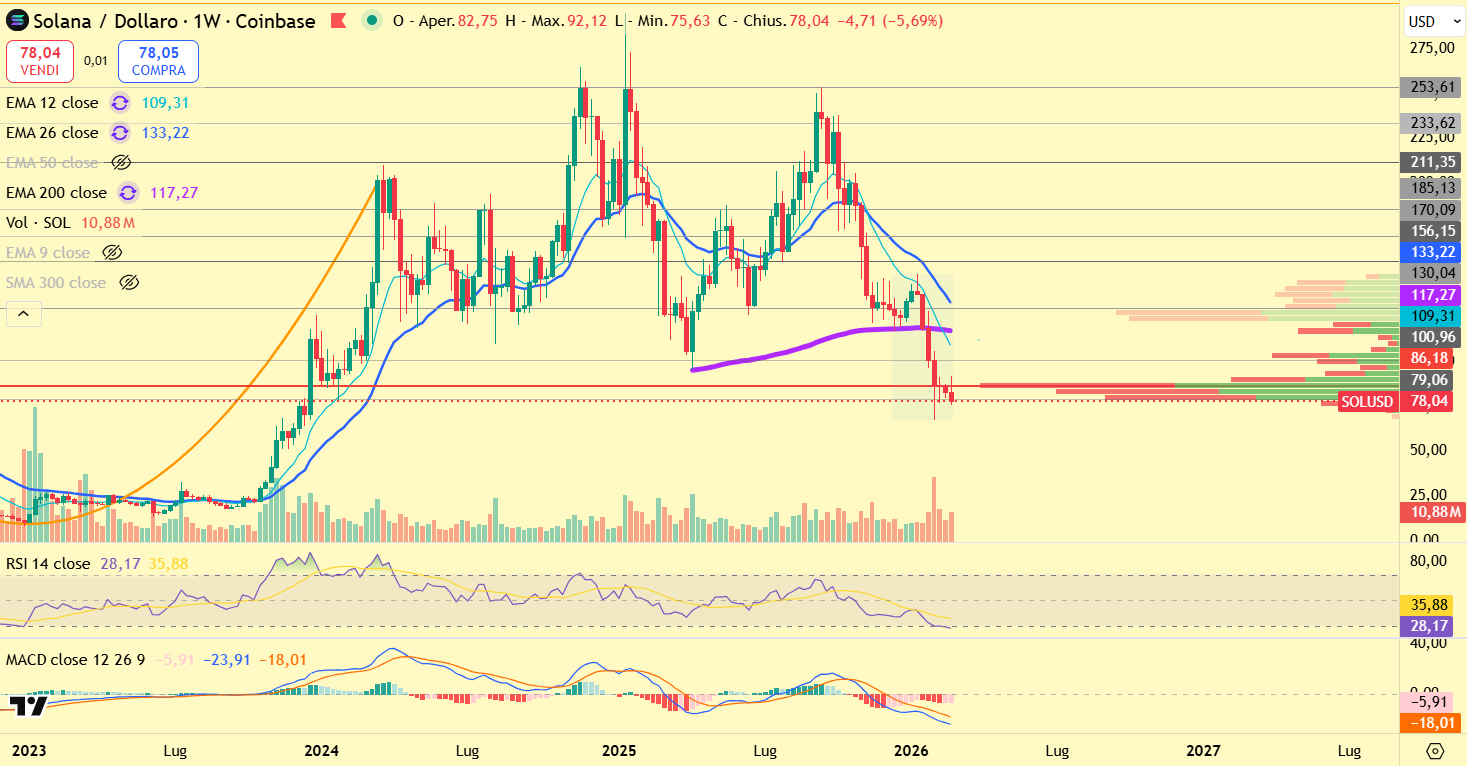
The timing of this acquisition is critical. Memecoin activity has declined significantly from its peak. While still culturally relevant, the sector no longer commands the same speculative intensity.
Revenue data illustrates this clearly. According to onchain protocol metrics, Pump.fun’s income dropped sharply over the past year. This contraction is not unique to Pump.fun but affects the entire memecoin category.
For verifiable protocol revenue data, DefiLlama provides transparent aggregation across chains and applications: https://defillama.com
The Pump.fun trading infrastructure strategy appears to be a response to this normalization rather than an attempt to revive speculative excess.
Infrastructure as a hedge against narrative decay
Narratives decay faster than infrastructure. Memecoins depend heavily on social momentum, which is unpredictable and fragile. Trading tools, by contrast, provide ongoing utility regardless of narrative cycles.
By investing in execution and analytics, Pump.fun shifts part of its value proposition away from storytelling toward function. This reduces dependence on viral launches and increases the platform’s relevance to more serious market participants.
The Pump.fun trading infrastructure strategy therefore acts as a hedge against the inherent instability of meme driven markets.
Integration over fragmentation
Another important aspect of the acquisition is ecosystem consolidation. Crypto users increasingly prefer fewer interfaces that do more rather than juggling multiple disconnected tools.
By absorbing Vyper and previously integrating Padre into Terminal, Pump.fun reduces friction across the user journey. Discovery, execution, and analysis become part of a single flow.
This integrated approach strengthens network effects and increases switching costs. Once users adapt to a unified workflow, alternative platforms must offer significant advantages to attract them away.
Solana context and execution culture
All of this unfolds within the Solana ecosystem, where speed and low latency execution are core cultural values. As Solana continues to attract active traders, platforms that fail to provide robust tooling risk irrelevance.
The Pump.fun trading infrastructure strategy aligns with Solana’s broader evolution from experimental playground to high throughput trading environment.
While memecoins brought attention to Solana, trading infrastructure may determine which platforms endure.
Beyond memecoins and toward capital formation
Pump.fun’s recent launch of an investment arm signals a longer term ambition. Rather than serving only as a launchpad for short lived tokens, the platform appears interested in supporting early stage projects with more durable goals.
Trading infrastructure is a prerequisite for this transition. Serious projects require reliable execution, transparent analytics, and predictable liquidity behavior.
The Pump.fun trading infrastructure strategy therefore supports a broader repositioning toward capital formation rather than pure speculation.
Competitive implications
This move places pressure on competing memecoin platforms. Those that remain narrowly focused on issuance risk being marginalized as user sophistication increases.
The market is likely to reward platforms that combine accessibility with depth. Pump.fun’s acquisition of Vyper suggests it intends to compete on both fronts.
Whether this strategy succeeds depends on execution quality and user adoption, but the direction is clear.
Risks and execution challenges
Infrastructure expansion is not without risk. Integrating complex trading tools introduces operational challenges, higher maintenance costs, and increased exposure to technical failures.
There is also reputational risk. If execution quality fails to meet expectations, users may associate Pump.fun with poor performance rather than innovation.
The Pump.fun trading infrastructure strategy must therefore be supported by sustained investment in reliability, security, and user experience.
Market structure implications
At a structural level, this acquisition reflects a maturing crypto market. Platforms can no longer rely solely on hype cycles. They must build systems that function across regimes.
Trading infrastructure becomes especially valuable during lower volatility phases, when users focus on efficiency rather than excitement.
Pump.fun’s move suggests recognition that the next phase of growth will be quieter, more competitive, and more demanding.
Data driven adaptation
The decision to expand into infrastructure appears grounded in observable market data rather than narrative optimism. Falling memecoin valuations and declining protocol revenue created clear signals.
Platforms that respond to data rather than sentiment are more likely to adapt successfully.
For ongoing analysis of crypto market structure, platform evolution, and onchain trends, further research is available on Block2Learn: https://block2learn.com/category/market-trends/
A strategic inflection point
The acquisition of Vyper marks an inflection point for Pump.fun. It signals a transition from a single cycle phenomenon toward a more durable platform model.
The Pump.fun trading infrastructure strategy is not about abandoning memecoins, but about reducing reliance on them. By embedding execution and analytics at the core of its ecosystem, Pump.fun positions itself for relevance beyond the next speculative wave.
In an environment where attention fades quickly, infrastructure endures. Whether this bet pays off will depend on how effectively Pump.fun executes its expanded vision, but the strategic intent is unmistakable.