

The latest update to China’s crypto framework is not a surprise, but it is a clarification. Beijing is not changing direction. It is tightening definitions.
China crypto regulation has entered a new phase where ambiguity is being systematically removed. The People’s Bank of China, together with seven other state agencies, has issued a revised notice that reinforces an existing ban while drawing sharper lines around what is tolerated, what is absorbed, and what is eliminated.
At the center of this update are three elements: yuan pegged stablecoins, real world asset tokenization, and the digital yuan. Understanding how these pieces fit together is essential to understanding China’s long term digital strategy.
Why Stablecoins Are the Primary Target
From Beijing’s perspective, yuan pegged stablecoins are not neutral technical tools. They are monetary instruments.
The updated China crypto regulation explicitly states that fiat backed stablecoins perform functions similar to sovereign currency. This is not just a legal classification. It is a macroeconomic concern.
Stablecoins settle value instantly. They move across borders. They circulate without central bank oversight. In an economy where capital controls are a foundational policy tool, that combination is unacceptable.
This is why the ban explicitly covers offshore issuance. Even if a stablecoin is created outside mainland China, if it references the yuan and targets Chinese users or assets, it is considered a threat.
This aligns with China’s long standing position that monetary sovereignty cannot be diluted by private instruments, regardless of whether those instruments claim to be fully backed.
According to data from the Bank for International Settlements https://www.bis.org, stablecoins already play a measurable role in cross border settlement flows globally. For China, allowing private yuan denominated stablecoins would introduce parallel liquidity channels beyond state control.
Private Crypto Remains Structurally Illegal
The notice reaffirms a position that has been consistent since 2021: cryptocurrencies have no legal tender status in China.
All crypto related business activities remain classified as illegal financial activities. This includes trading, custody, clearing, marketing, and infrastructure services. Financial institutions are again warned against providing banking or settlement support to crypto entities.
The language is not new. What is new is the enforcement clarity.
Even branding is now restricted. Businesses are prohibited from using terms such as stablecoin, RWA, or cryptocurrency in their registered names or declared business scope. This is not cosmetic. It is designed to eliminate grey zone signaling that could attract speculative participation.
China crypto regulation is no longer about interpretation. It is about elimination of ambiguity.
The Controlled Opening for RWA Tokenization
At first glance, the notice appears entirely restrictive. On closer inspection, it introduces something new: a formal regulatory container for real world asset tokenization.
This is not an endorsement of crypto. It is a repurposing of tokenization.
The revised framework explicitly separates virtual currencies from tokenized representations of real assets. In China’s regulatory language, this distinction matters.
Virtual currencies remain outlawed. Tokenized claims on physical or financial assets, when issued and settled under approved structures, can now exist within the regulatory system.
This is not decentralization. It is digitization under supervision.
From Beijing’s perspective, tokenization is acceptable when it improves settlement efficiency, data traceability, and collateral management without creating alternative monetary units.
This is consistent with broader state led digitization efforts across supply chains, trade finance, and capital markets.
For context, similar logic is visible in China’s treatment of digital bonds and tokenized invoices already piloted in state controlled environments.
More background on tokenization trends can be found here:
more research on Block2Learn: https://block2learn.com/category/blockchain/
Why RWA Is Allowed but Stablecoins Are Not
The difference lies in control and finality.
Stablecoins circulate freely and can be used as money substitutes. RWA tokens, under China crypto regulation, are representations, not settlement instruments.
They point to an asset. They do not replace currency.
Settlement still occurs in yuan. Custody remains within licensed institutions. Issuance happens under regulatory approval. There is no permissionless layer.
In other words, RWA tokenization is allowed only insofar as it strengthens existing financial infrastructure rather than competing with it.
This is a crucial distinction often misunderstood in global crypto discourse.
The Digital Yuan Is the Only Accepted Digital Currency
If there is one clear winner in this regulatory update, it is the digital yuan.
The message from Beijing is unambiguous: the only legitimate digital currency in China is the e CNY.
Recent policy steps reinforce this priority. Commercial banks are now allowed to pay interest on digital yuan wallets, a move designed to accelerate adoption and embed the currency deeper into everyday financial activity.
No private alternative can compete with this.
From China’s perspective, digital currency is not about innovation for its own sake. It is about programmable control, visibility, and policy transmission.
The digital yuan allows the central bank to monitor flows in real time, implement targeted stimulus, and enforce compliance without intermediaries.
Stablecoins undermine that objective. Decentralized crypto assets bypass it entirely.
China crypto regulation exists to ensure that no digital instrument challenges this architecture.
Capital Controls and Monetary Strategy
It is impossible to separate China’s crypto stance from its capital control framework.
China operates a managed currency system. Cross border flows are regulated. Domestic liquidity is guided by policy, not market reflex alone.
Crypto assets, by design, weaken those levers.
This is why each tightening cycle looks similar. When speculative channels grow too large, they are closed. When technical innovations can be absorbed, they are integrated.
The same logic applied to internet platforms, private education, and property leverage.
Crypto is not unique. It is simply another vector that must align with state priorities.
Global Implications of China Crypto Regulation
Internationally, China’s stance creates a clear divergence.
While Western jurisdictions debate how to regulate stablecoins, China has already decided. There will be no private yuan substitutes.
While some markets explore public private partnerships in tokenized finance, China insists on state primacy.
This divergence matters for global crypto markets.
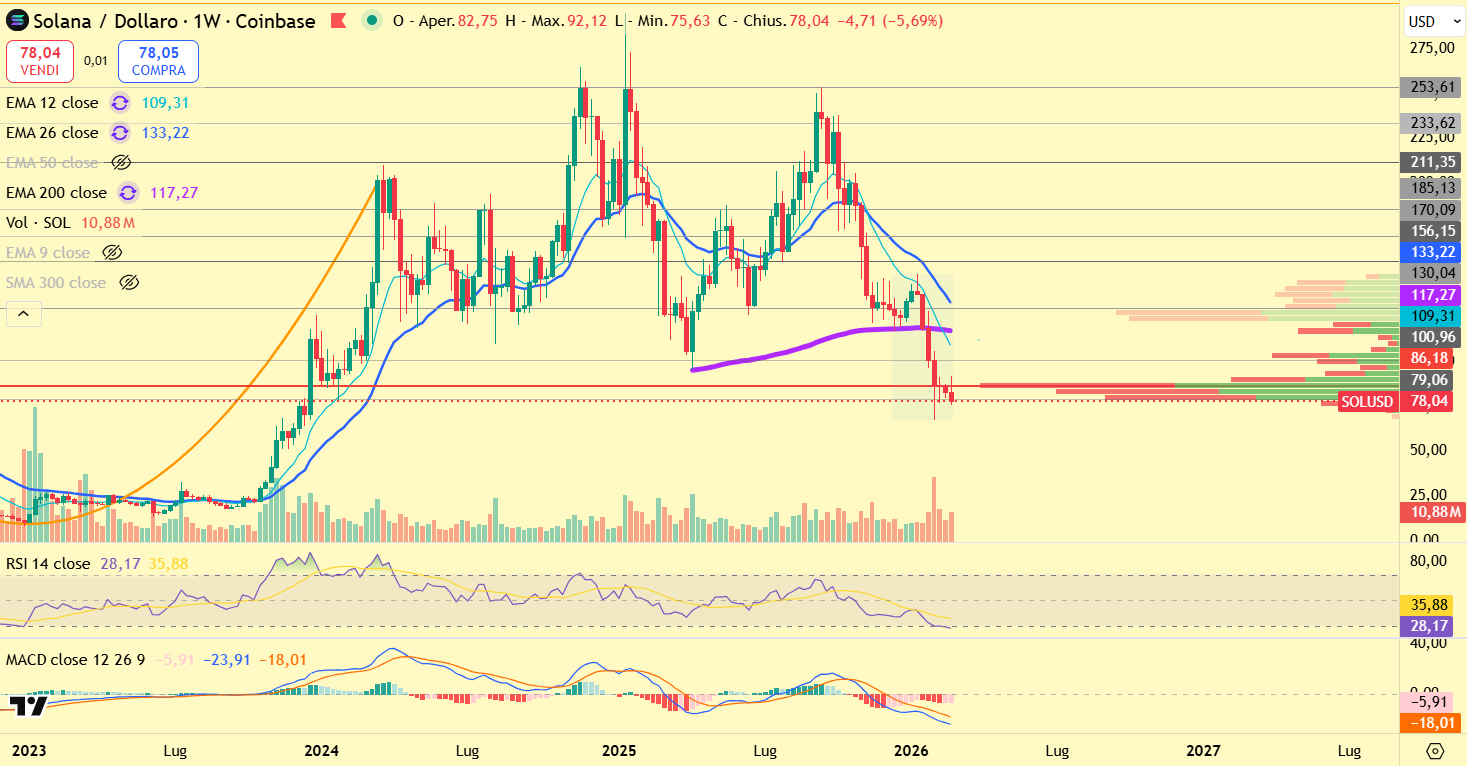
Every time China clarifies its position, speculative narratives adjust. Liquidity expectations shift. Long term assumptions about adoption are recalibrated.
This is why announcements like this often coincide with volatility, even if the content itself is incremental.
Markets are forward looking. They price future participation, not just current rules.
What Investors Should Actually Take From This
The key takeaway is not that China is banning crypto again. That story is old.
The real signal is structural.
China crypto regulation is evolving toward a system where digital infrastructure is welcomed only when it reinforces monetary sovereignty and state visibility.
Anything that competes with currency, capital controls, or policy transmission is excluded.
Anything that enhances efficiency without diluting control is absorbed.
This framework is consistent, predictable, and unlikely to reverse.
For global investors, the mistake is assuming that regulatory tolerance equals ideological alignment. In China’s case, tolerance is conditional and instrumental.
Understanding that distinction is essential when evaluating long term narratives around stablecoins, RWAs, and state backed digital currencies.