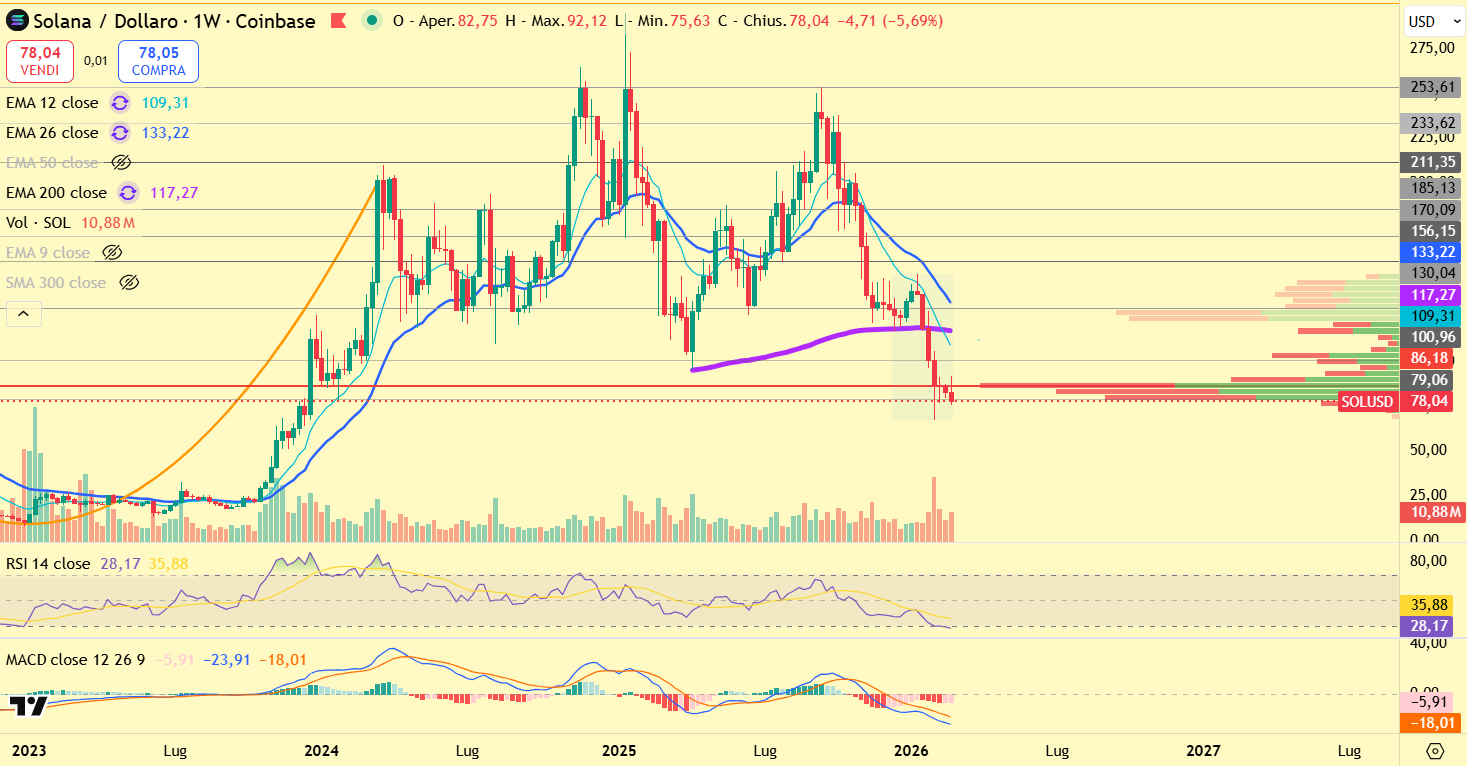
Crypto market volatility returned to the forefront as digital assets reacted to a complex mix of corporate treasury decisions, high profile token sales, security incidents, and evolving regulatory signals. Rather than a single catalyst, the latest downturn reflects a convergence of structural stress points that continue to define the 2026 market environment.
Bitcoin is holding above the mid 60000 range, but momentum has weakened noticeably. Ethereum has underperformed following renewed selling pressure. Stablecoins, often viewed as anchors of stability, briefly entered the narrative due to a failed attack that nevertheless shook short term confidence. Together, these developments highlight a market still searching for equilibrium.
Bitcoin Price Stability Masks Growing Fragility
At first glance, Bitcoin appears resilient. Trading within a relatively narrow range, price action suggests consolidation rather than panic. However, beneath the surface, crypto market volatility remains elevated as liquidity thins and sentiment turns increasingly defensive.
Bitcoin’s inability to reclaim higher levels despite repeated buying attempts suggests exhaustion rather than strength. Volume profiles show declining participation, indicating that both buyers and sellers are cautious. In this environment, stability does not necessarily signal confidence. It often signals indecision.
For broader context on Bitcoin structure and liquidity, see Block2Learn Bitcoin analysis: https://block2learn.com/category/bitcoin/
Corporate Treasury Decisions Are Sending Mixed Signals
One of the most telling features of the current market is the divergence in corporate behavior. Some firms continue to accumulate Bitcoin aggressively, framing volatility as opportunity. Others are exiting entirely, reallocating capital toward alternative growth strategies.
This split reflects a deeper debate around balance sheet risk management. Accumulation strategies assume long term price appreciation will outweigh interim volatility. Exit strategies prioritize capital preservation and operational flexibility.
Neither approach is inherently correct. However, the coexistence of both highlights uncertainty around Bitcoin’s near term risk profile.
Bitcoin Accumulation Versus Capital Rotation
Persistent accumulation sends a message of conviction, but it also amplifies exposure during late cycle conditions. At the same time, capital rotation out of Bitcoin by other firms signals that opportunity cost considerations are shifting.
In a tightening liquidity environment, capital is increasingly selective. Assets perceived as long duration or high volatility face greater scrutiny. This dynamic contributes directly to crypto market volatility, even when headline prices appear stable.
Bearish Narratives Are Regaining Influence
Market narratives often resurface during periods of stress. Longstanding critics of Bitcoin have returned with renewed warnings of deeper downside scenarios. While such views are not new, their timing matters.
In fragile markets, bearish commentary can accelerate risk reduction. Investors already positioned defensively may interpret negative forecasts as confirmation rather than noise.
Importantly, narrative impact is strongest when liquidity is thin. Price sensitivity increases as order books shallow, amplifying the effect of sentiment shifts.
Ethereum Underperforms as Supply Pressure Returns
Ethereum has faced sharper downside pressure than Bitcoin in recent sessions. Part of this weakness stems from renewed selling linked to planned treasury and ecosystem funding activities.
While these transactions are operational rather than speculative, markets rarely differentiate motives during periods of heightened crypto market volatility. Supply hitting the market, regardless of intent, often triggers short term defensive reactions.
Ethereum’s role as both a utility asset and a financial instrument makes it particularly sensitive to perception driven flows.
For deeper insight into Ethereum market dynamics, see Block2Learn Ethereum research: https://block2learn.com/category/ethereum/
High Profile Sales Influence Market Psychology
Sales associated with prominent figures tend to attract outsized attention. Even when sales are pre scheduled or tied to funding objectives, traders often respond reflexively.
This phenomenon highlights a broader issue. Crypto markets remain narrative driven to a degree uncommon in traditional asset classes. Symbolism can outweigh fundamentals in the short term.
As a result, crypto market volatility is frequently driven as much by interpretation as by data.
Security Incidents Add Layered Risk Perception
Beyond price action, security concerns have contributed to market unease. A reported attempt to destabilize a stablecoin ecosystem introduced short lived fear, uncertainty, and doubt across trading venues.
Although the incident failed and the stablecoin maintained its peg, the psychological impact was immediate. Markets tend to react first and assess later, particularly when trust is involved.
Stablecoins play a critical role as settlement layers and liquidity buffers. Any perceived vulnerability, even if quickly resolved, ripples outward.
For ongoing stablecoin coverage, explore Block2Learn stablecoin insights: https://block2learn.com/category/stablecoin/
Why Failed Attacks Still Matter
A failed attack does not eliminate risk. Instead, it reveals attack vectors, incentive structures, and potential systemic weaknesses. Market participants understand this and often reassess exposure accordingly.
In environments of elevated crypto market volatility, even contained events can influence broader risk appetite.
Regulation Is Adding Complexity Rather Than Clarity
Regulatory developments continue to shape market structure. New rules around collateral usage and institutional participation may unlock future liquidity, but they rarely offer immediate relief.
In the short term, regulatory headlines often introduce ambiguity. Market participants wait to see how rules will be implemented, who benefits, and what unintended consequences may arise.
This waiting period contributes to hesitation and reduced risk taking.
For regulatory context, consult US Securities and Exchange Commission resources: https://www.sec.gov
Legal Overhangs Reopen Old Wounds
Legal developments tied to past industry failures have resurfaced, reminding investors that unresolved issues from previous cycles still matter. Even when cases do not directly involve current market leaders, they reinforce perceptions of systemic fragility.
Legal uncertainty tends to suppress speculative activity. Capital becomes cautious when precedent risk remains unresolved.
This dynamic reinforces crypto market volatility by discouraging new inflows during already fragile conditions.
Liquidity Remains the Defining Variable
Across all these factors, liquidity remains the dominant driver. Without sustained inflows, markets struggle to absorb shocks. Price stability becomes increasingly fragile as participation narrows.
Bitcoin holding above key levels does not negate this reality. It simply delays resolution.
Liquidity driven markets resolve imbalances eventually, either through renewed demand or forced repricing.
Short Term Noise Versus Structural Signals
It is tempting to interpret each headline as a standalone catalyst. In reality, the current environment reflects structural stress rather than episodic panic.
Corporate treasury divergence, Ethereum supply dynamics, stablecoin security awareness, regulatory ambiguity, and legal overhangs all point toward the same conclusion. The market is repricing risk.
Understanding this distinction is essential. Structural repricing tends to unfold over time rather than resolve through sharp single day moves.
What Investors Are Watching Next
Investors are increasingly focused on liquidity indicators, onchain activity, and institutional behavior rather than price alone. Stabilization requires more than sideways trading. It requires renewed participation and confidence.
Until those conditions emerge, crypto market volatility is likely to remain elevated, even in the absence of dramatic price collapses.
For ongoing market structure analysis, explore Block2Learn market trends: https://block2learn.com/category/market-trends/
Why This Phase Matters
Periods like this often shape long term outcomes. Assets that demonstrate resilience through liquidity stress emerge stronger. Those reliant on narrative alone struggle.
The current phase is testing not just price levels, but the maturity of crypto market infrastructure itself.
Reliable market data across crypto assets can be accessed via CoinMarketCap: https://coinmarketcap.com
As the market navigates this environment, patience and clarity matter more than reaction speed. Crypto market volatility is not simply a symptom of fear. It is a signal that the system is recalibrating under pressure.