


 OASIS
OASIS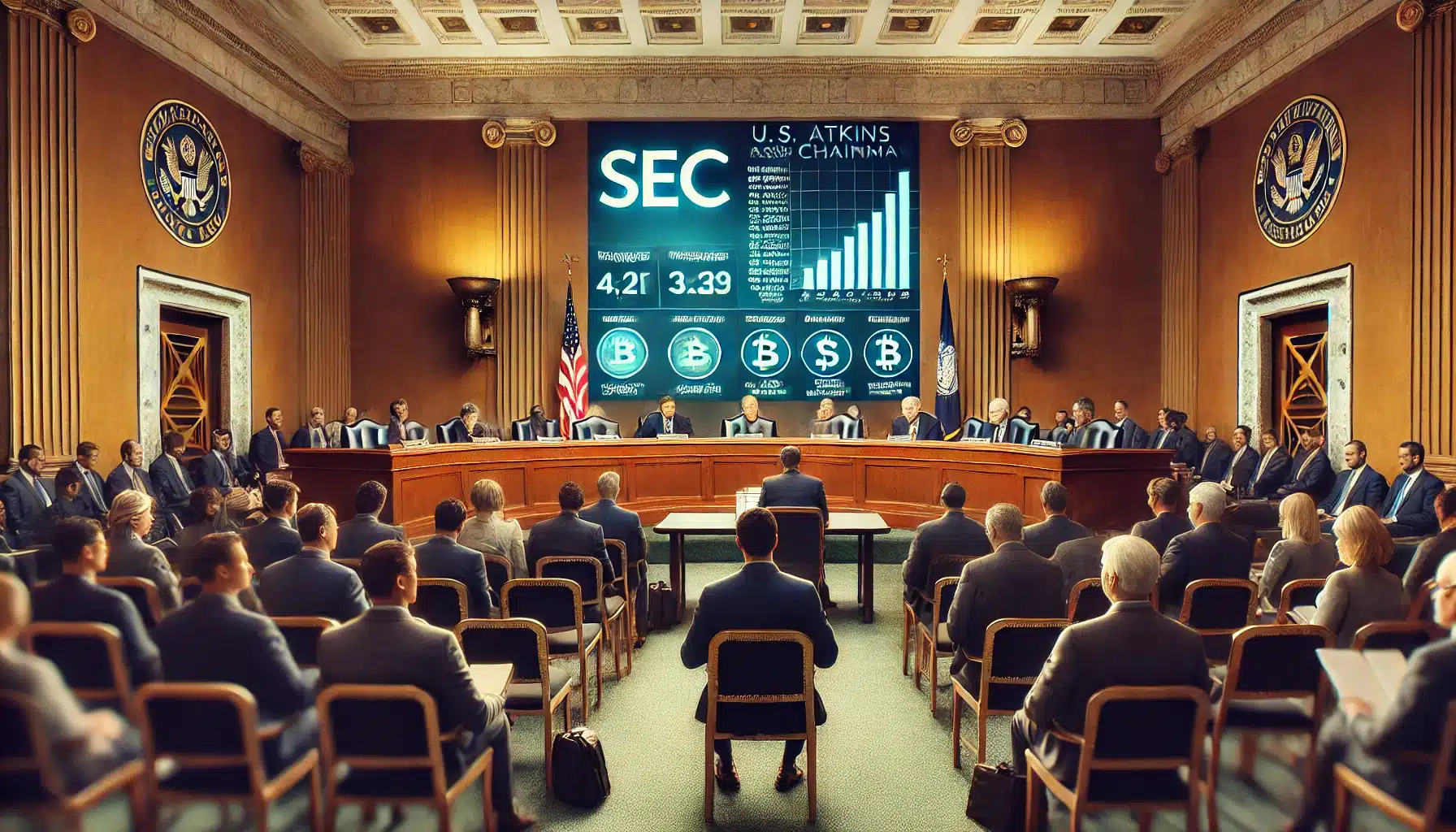
The SEC’s New Direction Under Paul Atkins
On March 27, 2025, Paul Atkins will appear before the U.S. Senate Banking Committee for his confirmation hearing to become the next Chairman of the Securities and Exchange Commission (SEC). If confirmed, he will replace Mark Uyeda, who has served as acting chairman since January. Atkins’ appointment comes at a critical time for the SEC, as the agency navigates a rapidly evolving regulatory landscape, particularly in the cryptocurrency sector.
Key Policy Shifts Under Atkins’ Leadership
Atkins previously served as an SEC Commissioner from 2002 to 2008 before founding Patomak Global Partners, a Washington, D.C.-based consulting firm. His return to the SEC signals potential policy shifts, as he is expected to adopt a pro-business stance, easing regulatory enforcement and streamlining the IPO process to encourage more companies to go public.
Major Changes Expected at the SEC
Atkins’ confirmation hearing will also coincide with the Senate’s review of Jonathan Gould, nominated to lead the Office of the Comptroller of the Currency, and Luke Pettit, nominated as Assistant Secretary for Financial Institutions at the U.S. Treasury Department. However, the spotlight will remain on Atkins, particularly regarding his stance on cryptocurrency regulation.
Under acting chairman Uyeda, the SEC has already undergone significant shifts. Notably, over ten enforcement actions against crypto firms—including Kraken, Gemini, Robinhood, and TRON—were dropped. Additionally, the SEC ended litigation surrounding controversial climate disclosure rules and granted companies more flexibility in blocking shareholder proposals.
A major development occurred this week when the SEC announced it would not proceed with its appeal against Ripple. The case, which dragged on for over four years, was met with relief by Ripple CEO Brad Garlinghouse, who described it as a “painful journey” for the company. Following the news, XRP surged 10%, reaching $2.49, marking a significant setback for the SEC’s regulatory approach in 2025.
In another groundbreaking decision, the SEC clarified that Proof-of-Work (PoW) mining—used in networks like Bitcoin, Litecoin, and Bitcoin Cash—does not constitute a security under U.S. law. The agency’s Division of Corporation Finance determined that PoW fails to meet the Howey Test, meaning it is not classified as an investment contract and does not require registration under the Securities Act. This decision represents a major victory for crypto miners, allowing them to operate without regulatory uncertainty.
Additionally, the SEC confirmed that memecoins are not classified as securities, marking a significant policy shift. Under Uyeda—and potentially Atkins—the SEC appears to be moving away from regulation through litigation, favoring instead a clearer, more transparent rulemaking process.
If confirmed, Atkins is expected to continue this deregulatory approach, significantly reducing enforcement actions and accelerating IPO approvals. His tenure could reshape crypto regulation in the U.S., fostering a more business-friendly environment for blockchain companies.
With his extensive experience at the SEC, financial consulting, and as a Bitcoin investor since 2011, Atkins is viewed as a leader who understands the SEC’s internal dynamics. However, this time, his mission will be to transform the agency to better align with modern financial markets.
The March 27 hearing will be a decisive moment, determining whether this new SEC direction will take hold and influence the future of cryptocurrency regulation in the United States.
Start Free Today. Unlock Your 15% Member Discount.
Access the Free Start program immediately and receive an exclusive 15% discount for your first Learning Path purchase.
Build your foundation before making your next investment decision.


